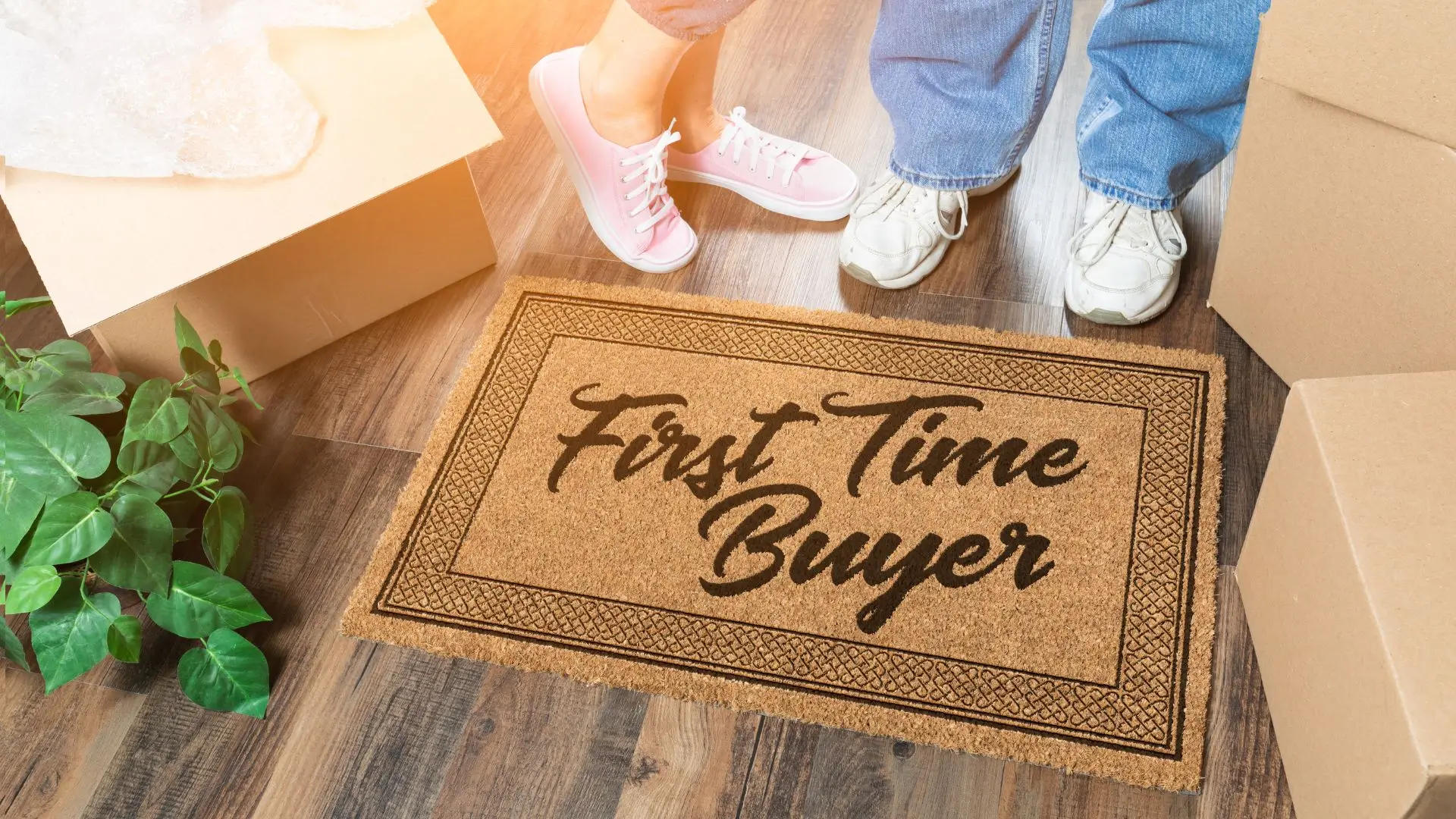






The UK economy has been badly affected by Covid. So why are house prices still rising? We look at the factors and ask whether now is the right time to buy.
On the face of it, it really doesn’t make sense: coronavirus has left many businesses struggling. Redundancies are rising. These are uncertain times and perhaps not the obvious moment to make big financial decisions.
And yet, the average price for a house in Britain just hit a record high. During September, prices rose in every region of England and Wales except the South West and the North East (where they held steady). In a year, UK prices have risen by 2.5% and in the North West that rise is even greater at 3.5% (making it one of the most buoyant regions of all right now).
Why are house prices rising?
As you might expect, there seem to be several factors at play.
Pent up desire: The three months of near total lockdown earlier this year put the brakes on virtually everyone’s moving plans. Once restrictions began to lift, people resumed their house hunting. Only now, with lots of people squeezed into the market at once, demand rose – and so did prices.
Race for space: The pandemic has clearly changed the way some people have felt about their previous living arrangements. After three months effectively locked in their homes, some have realised that it’s not the home for them. They are looking to move so that, when the next pandemic arrives they have more space inside and perhaps some space outside too. Some have even made the decision to switch town for country.
We’ve certainly spoken with many more people who have found themselves reassessing their life goals in the light of the past few months. Where they choose to live is, of course, a crucial element in that.
Independent living: Lots of young people raced back to mum and dad’s at the start of the lockdown seeking company, security and (almost) rent-free living. Post-lockdown, many of those same young people are now eager to have their own space again.
Boosted savings: 2020 was the year holidays went unbooked, big celebrations were postponed till next year and money that would usually be spent wasn’t. For some people saving for a deposit, that meant savings grew far quicker than expected.
Low interest rates: Interest rates have been low for a long time, so we can’t say they are a new factor in driving rising house prices. But what is different is that there is little ‘noise’ about rates rising anytime soon. In fact, we’ve recently seen the Bank of England exploring the idea of negative interest rates. That doesn’t mean we’ll see them, but it does indicate there’s no major desire to see rates rise. And the longer they stay low, the more affordable your mortgage is.
Stamp duty freeze: Last year, if you had bought a house for more than £125,000, you would have paid Stamp Duty Land Tax on it. Rates increase depending on the cost of the house. For a £300,000 house, for example, you would have paid £5,000 in duty. Right now, however, the freeze means you pay no stamp duty on a first home up to the value of £500,000. This arrangement ends on 31 March 2021, however, further encouraging buyers to buy now.
Stability and security: We won’t revisit the renting vs owning arguments here, but it’s certainly true that the past few months have left more people feeling as though they want greater stability and security, and they are looking for that by buying rather than renting.
Is now a good time to buy?
Buying in a booming market doesn’t sound like a great idea, but this market isn’t like any other. The stamp duty freeze combined with low rates may offset some or all of the increased price you pay for any property. Buying habits are continuing to change and, whilst none of us has a crystal ball, what may seem like an inflated price right now may look like great value in just a few months’ time – especially in the areas that have been most sought after.
And if you are eager for more space, independence or security following the past few months, chances are you’ll be willing to stand an additional percentage point or two, providing you can find an affordable mortgage to help you buy.
And for that, talk to us.